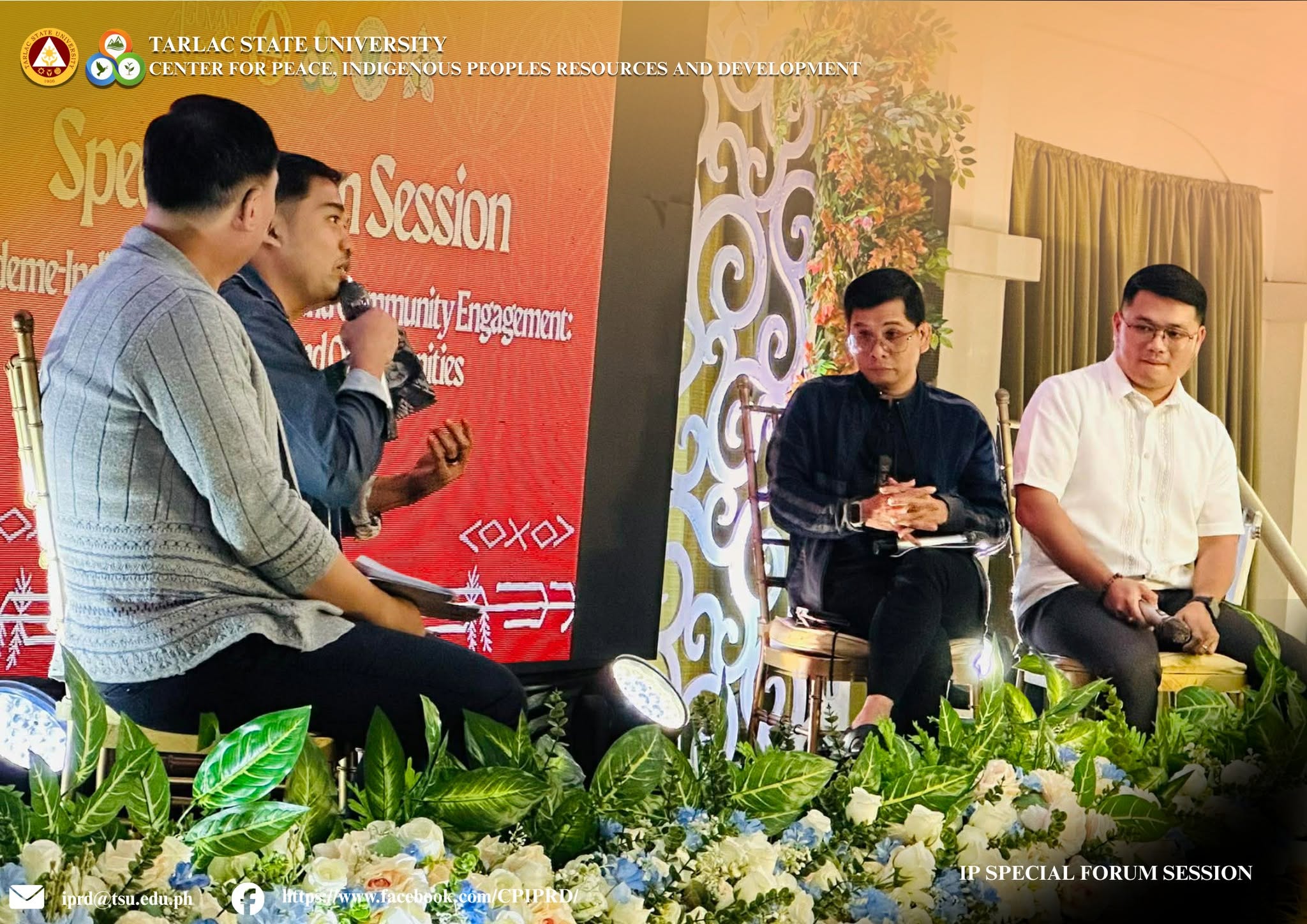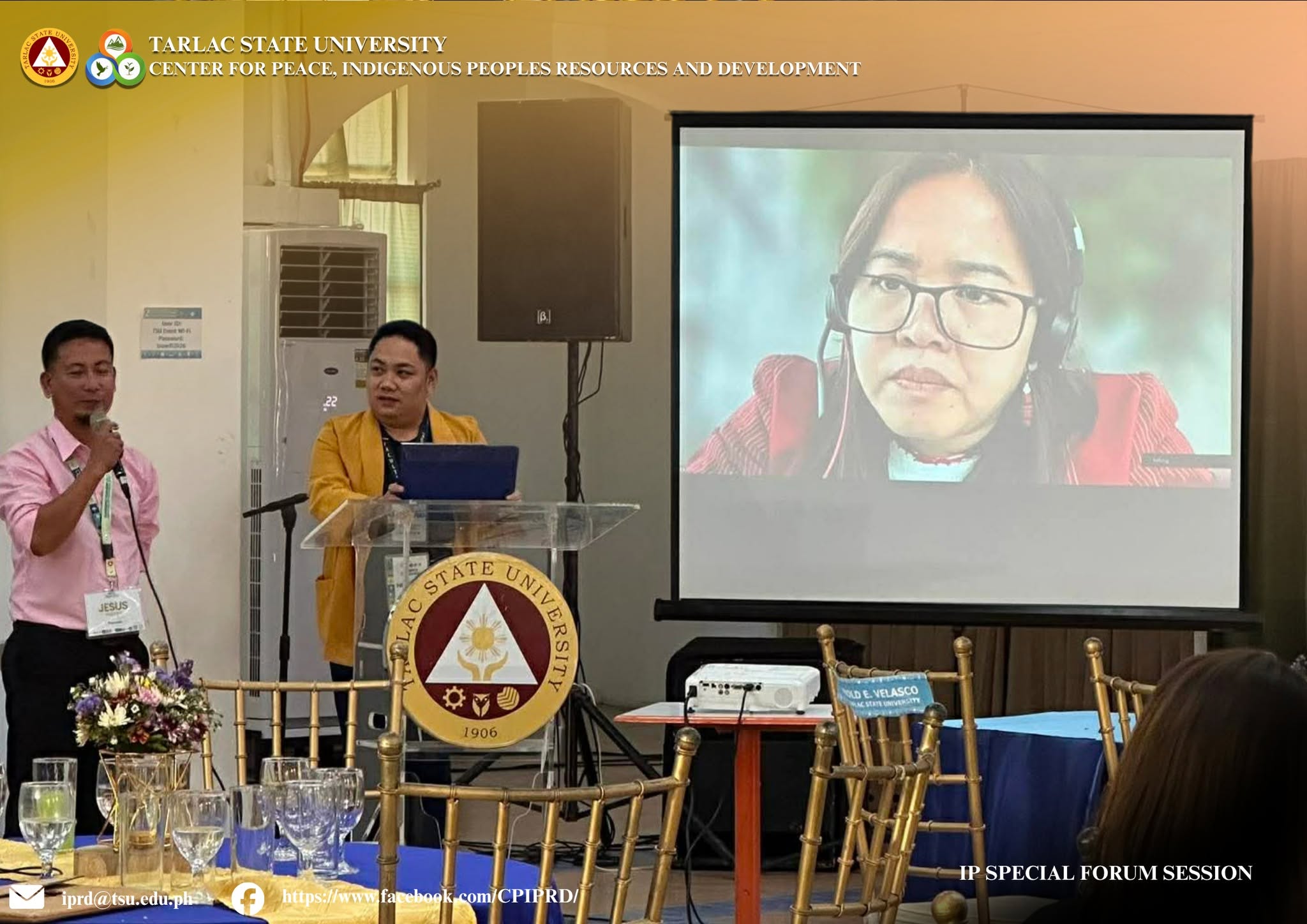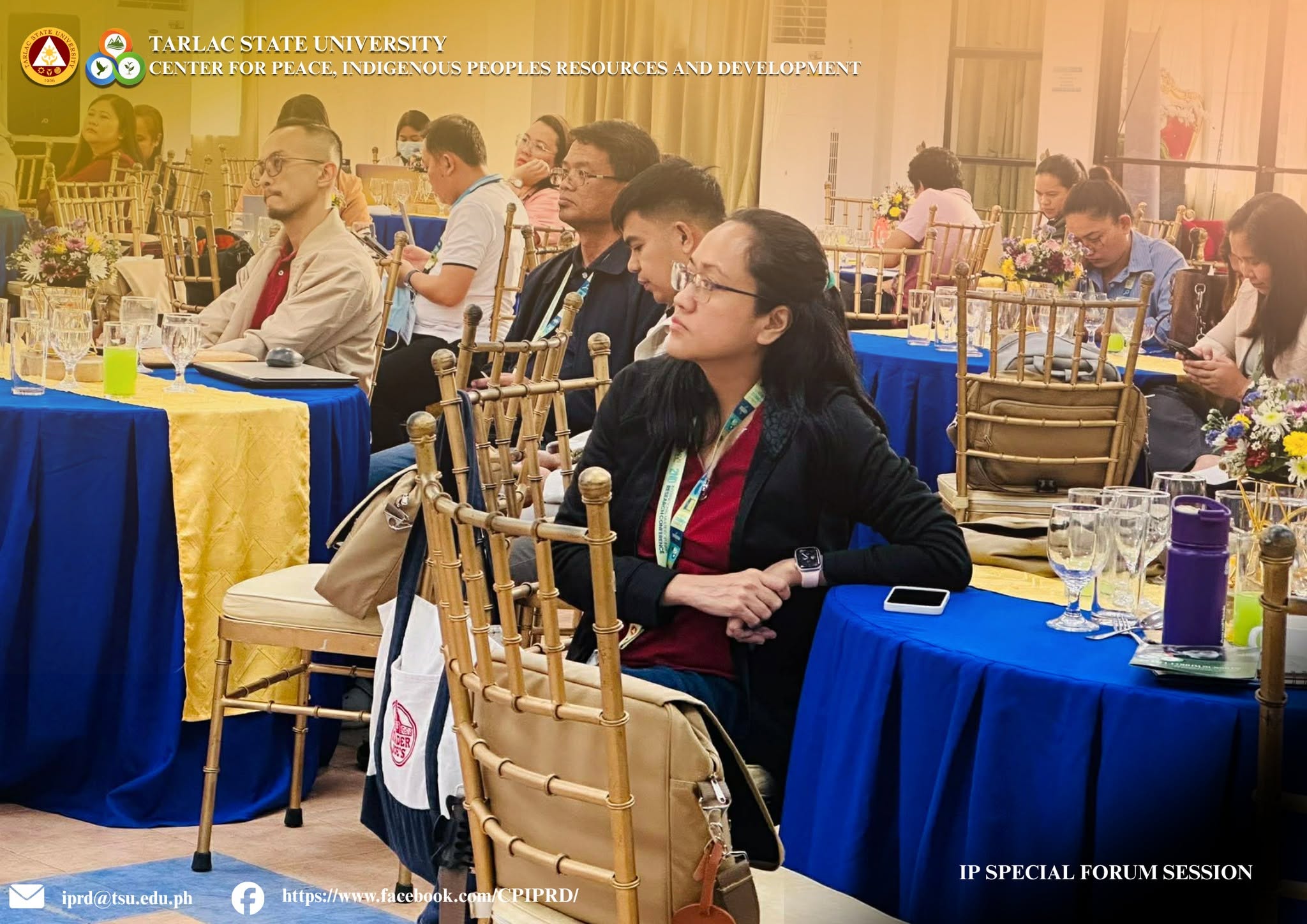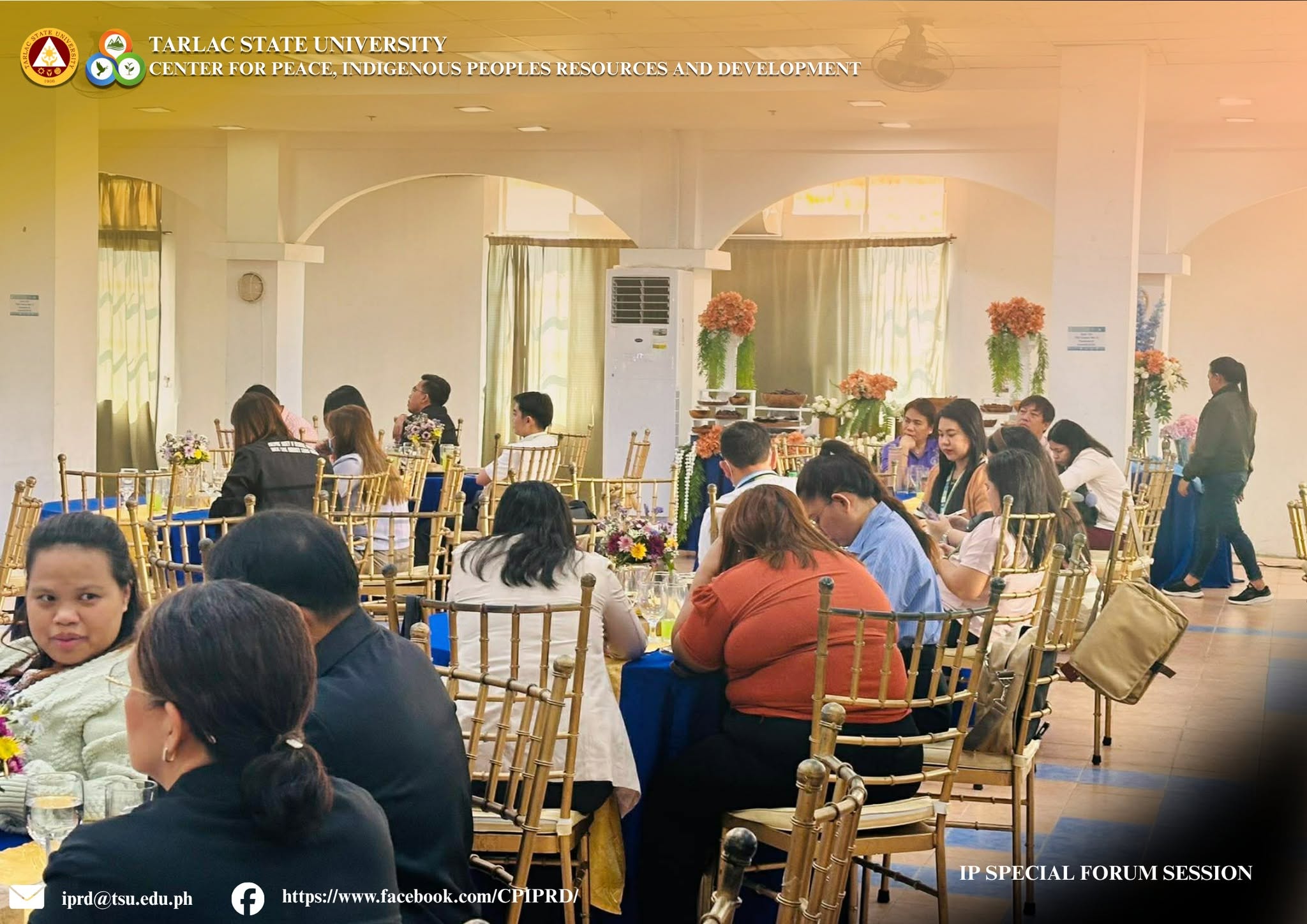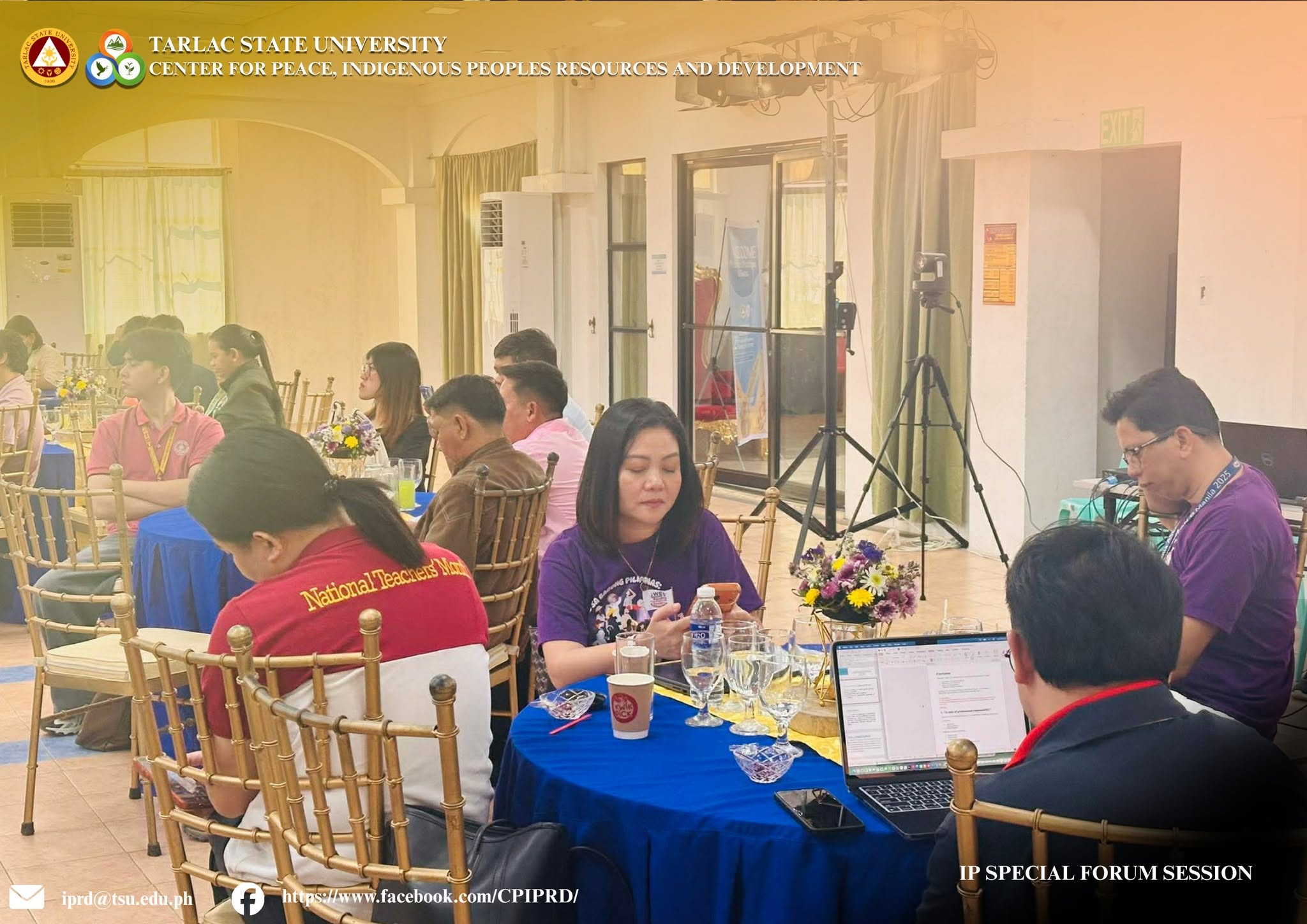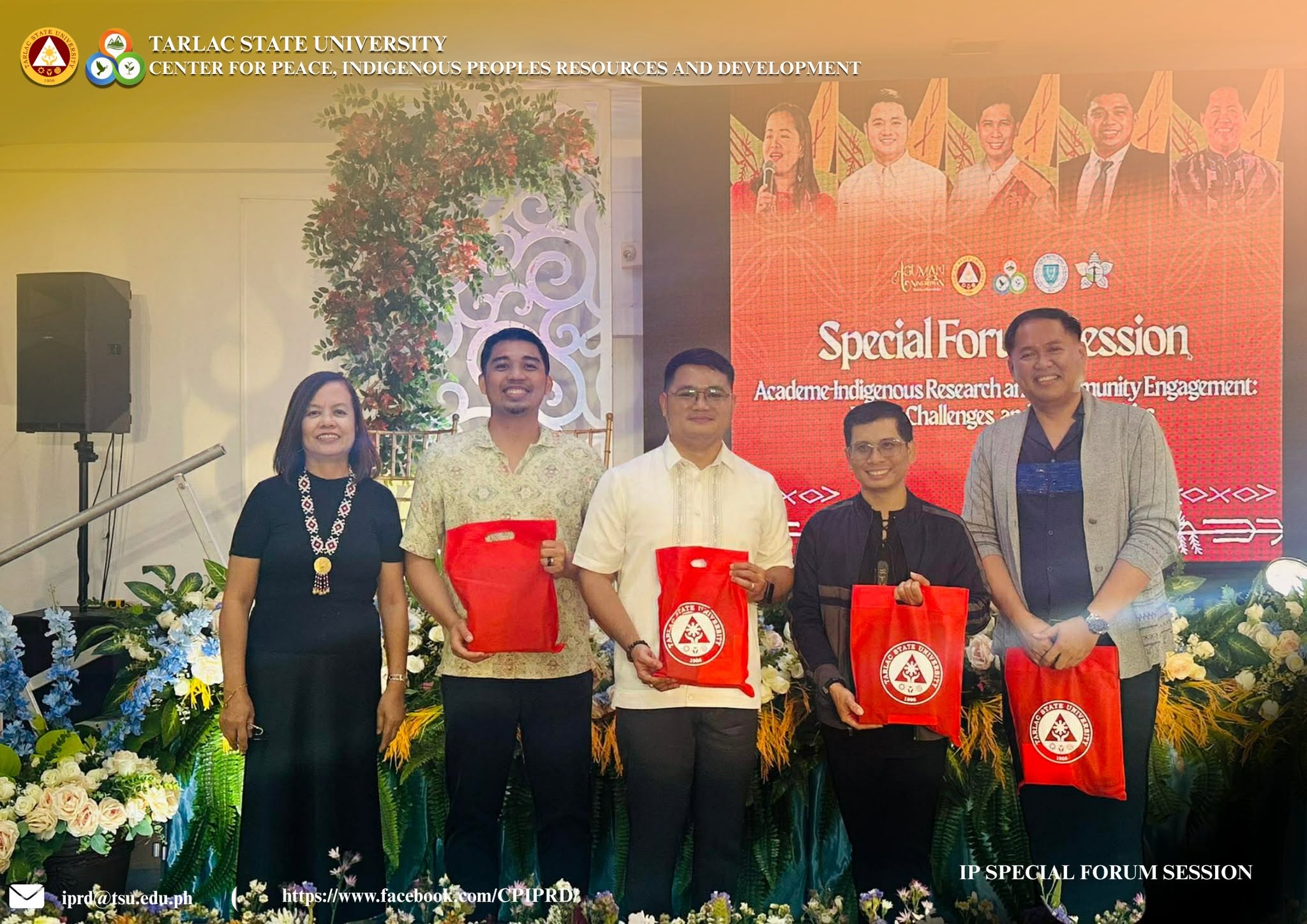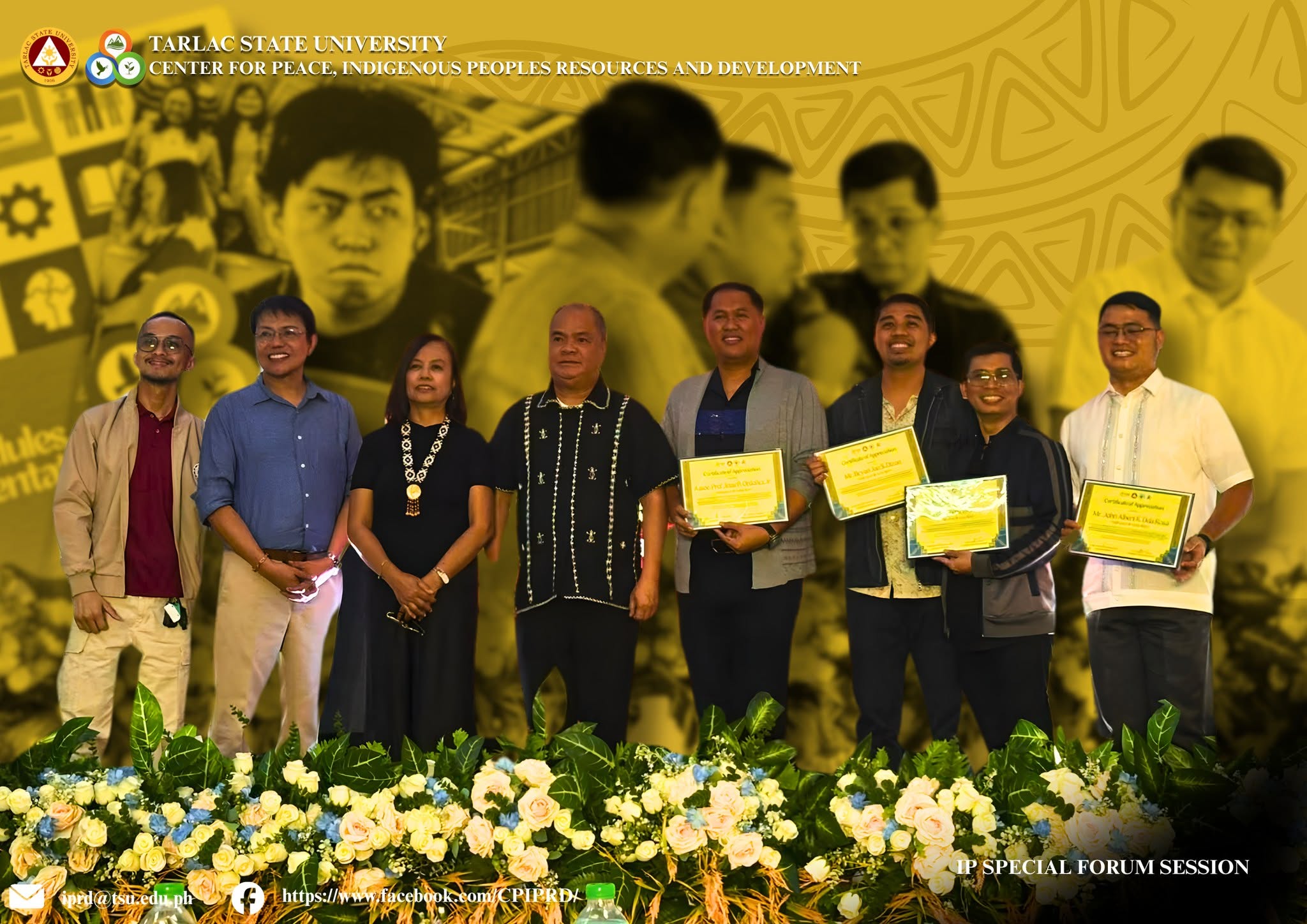
The Center for Peace, Indigenous Peoples Resources and Development (CPIPRD), in collaboration with the Office of University Research and Development (OURD), conducted a special forum titled “Academe–Indigenous Research and Community Engagement: Issues, Challenges, and Opportunities” during the Aguman Ning Belwan 2026: 2nd International Multidisciplinary Research Conference on March 25, 2026, at Priscilla Hall, TSU Hotel, Villa Lucinda Campus.
Inspired by the continuing discourse on ethical Indigenous research following the publication of Decolonizing Methodologies: Research and Indigenous Peoples by Linda Tuhiwai Smith, the forum highlighted how higher education institutions are transforming their research and extension practices toward more ethical, participatory, and community-centered engagement with Indigenous Peoples (IPs) and Indigenous Cultural Communities (ICCs). The session showcased institutional experiences, practical approaches, and collaborative initiatives that promote meaningful partnerships between academia and Indigenous communities.
The panel featured Ms. Helen Biangalen-Magata, Director of Tebtebba; Mr. Albert Dela Rosa of Bataan Peninsula State University; Mr. Norberto Nataño of the University of Rizal System; and Mr. Bryan Jan Dizon of Tarlac State University. The discussion was moderated by Mr. Jesse Ordoñez of Pangasinan Polytechnic College.
During the forum, the panelists emphasized the importance of community-based and participatory research approaches that recognize Indigenous Peoples as active partners and co-researchers rather than merely research participants. They shared best practices in documenting Indigenous knowledge, strengthening community capacities, and implementing co-created projects that generate mutual benefits for both academic institutions and Indigenous communities.
The discussion also addressed challenges commonly encountered in Indigenous research and extension, including rigid academic timelines, cultural insensitivity, and the misrepresentation of Indigenous knowledge. The panel stressed that overcoming these challenges requires continuous dialogue, flexible research methodologies, culturally responsive practices, and ethical standards that uphold Indigenous rights, dignity, and self-determination.
To strengthen future collaborations, the panel recommended the adoption of decolonized and community-centered research policies, the establishment of long-term institutional partnerships with Indigenous communities, and the active involvement of Indigenous Peoples throughout the entire research process. The speakers likewise underscored the importance of recognizing Indigenous knowledge systems as equally valuable alongside academic knowledge.
The session concluded with a meaningful reflection on the acronym TSU—T for Trace Indigenous knowledge, history, and practices; S for Sustain initiatives that protect and preserve Indigenous heritage; and U for Understand Indigenous cultures through respectful, culturally grounded, and community-centered engagement. The forum reaffirmed CPIPRD's commitment to advancing ethical Indigenous research and extension that promotes empowerment, inclusivity, and sustainable partnerships with Indigenous communities.